October 19, 2026
Safe and Effective Attic Rodent Removal: What Homeowners Need to Know
By @myatticrodentremovalnest
When you hear scratching, scurrying, or thumping in the ceiling at night, your first thought is probably not about insulation or wiring. It is about the animal that should not be there. Attic rodent removal is one of those jobs that most homeowners hope they never need, but when the noise starts, you have to act fast. I have handled dozens of these calls over the years, and the one thing I can tell you is that quick, smart action makes the difference between a one-time problem and a long-term nightmare.
Mice, rats, squirrels, and even raccoons find attics incredibly inviting. The space is warm, dry, dark, and usually full of soft insulation they can burrow into. The most common call I get is from someone who has heard a steady scratching for a few nights and finally worked up the courage to shine a flashlight into the attic. What they find is usually a mess of droppings, chewed wires, torn insulation, and sometimes a nest of babies. That is the point when they realize that attic rodent removal is not just about getting one animal out. It is about fixing the damage and making sure it does not happen again.
First Steps: Confirming What You Are Dealing With
Before you start moving traps or calling a professional, you need to know what is up there. The species matters because the approach changes. Mice and rats can squeeze through a gap the size of a dime. Squirrels are a bit bigger but still small enough to slip through a hole the size of a golf ball. Raccoons are larger and stronger, and they can tear through weak soffits or louvers to get inside. I have seen raccoons rip a vent cover off like it was made of cardboard.
One way to tell is by the noise. Mice and rats sound light and quick, like a constant skittering. Squirrels are more deliberate, with heavier thumps and a pattern of movement. Raccoons sound like a small dog walking around up there. If you hear vocalizations, growls, or chittering, that is also a clue. But honestly, the safest bet is to inspect the entry points from the outside. Look for droppings, rub marks, or chewed edges around vents, soffits, eaves, and rooflines. Those signs tell you not only what is getting in but where the gap is.
The Core Strategy: Remove, Exclude, Repair
Effective attic rodent removal follows a three-step process that I have seen work over and over. First, you have to remove the animals that are already inside. Second, you seal every entry point so nothing new gets in. Third, you repair the damage they have already done. Skipping any of these steps guarantees that the problem will come back.
Removal Methods: Trapping versus Poison
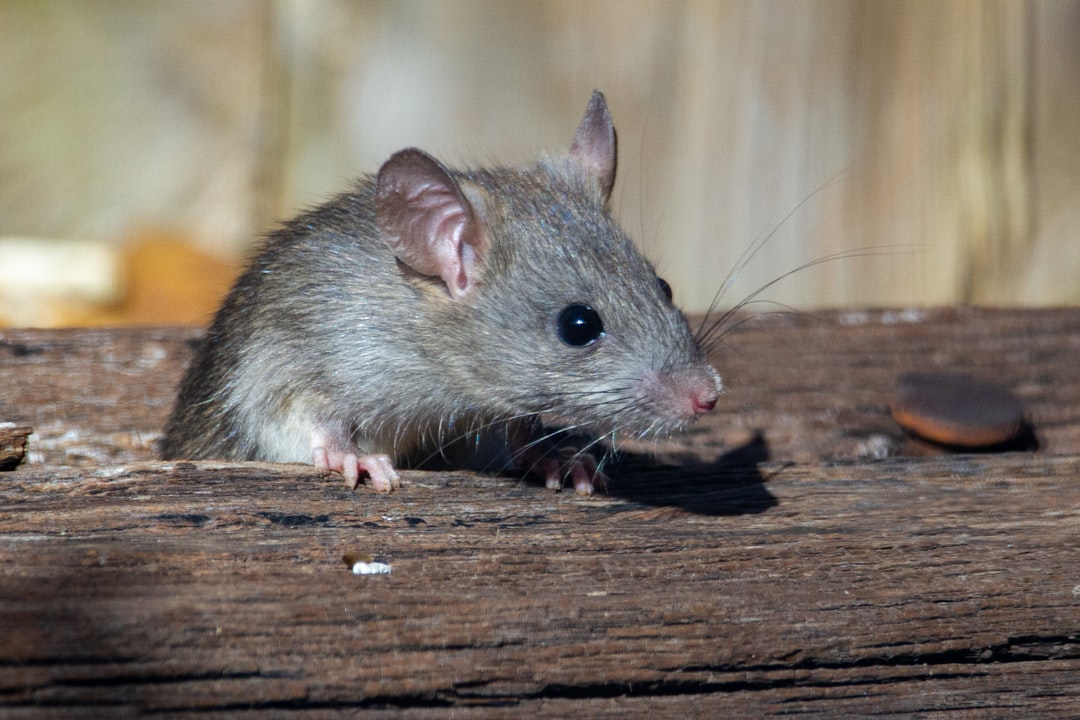
There are many ways to remove rodents from an attic, but not all of them are smart. Rat poison is one option, but I almost never recommend it for attic use. The problem is that poisoned rodents do not die instantly. They crawl back into the walls or deep into the insulation and die there. Then you get a smell that lingers for weeks, and you have to tear open the ceiling to find the carcass. Poison also poses a risk to pets and children if they somehow get to the bait.
Trapping is much more predictable. Snap traps are fast and lethal when placed correctly along walls or near droppings. I have used them for mice and rats with good results. Glue boards can work, but they are not my first choice because they cause unnecessary suffering and sometimes catch non-target animals. For squirrels and raccoons, a Havahart trap is usually the best approach. These live traps let you catch the animal and relocate it, though you need to check local laws about relocation. In Cleveland TN, for example, some species cannot be moved far because of disease concerns or because they are considered nuisance wildlife.
I also see people try ultrasonic repellents. In my experience, they do not work well in attics. The sound does not travel through insulation and wood the way the ads claim. I have walked into attics with three ultrasonic devices running and found a family of raccoons sleeping two feet away from one of them. Save your money and use traps.
Finding and Sealing Entry Points
Once the animals are gone, you have to find every hole they used to get in. This is the part that most homeowners miss. They remove the animal, feel relieved, and do not bother looking for the gap. Six months later, new animals find the same hole and move right in. Rodent exclusion is the only way to prevent reinfestation.
Start by inspecting the roofline, the soffits, the fascia boards, and the areas where pipes or vents enter the attic. Look for gaps around electrical conduits, plumbing stacks, and chimney flashing. Common entry points include loose vent screens, rotted wood at the eaves, and gaps where the siding meets the roofline. A squirrel can squeeze through a hole that is about the size of a quarter. A mouse only needs a dime-sized gap. You have to be thorough.
For sealing, I recommend a combination of sealant and steel wool. Stuff the steel wool into the gap first, then cover it with a high-quality exterior sealant. The steel wool prevents chewing through the sealant, and the sealant keeps out moisture and drafts. For larger holes, you might need to patch with wood or metal flashing before sealing. This kind of structural repair is not glamorous, but it is the part that actually solves the problem long term.
Damage Assessment and Cleanup
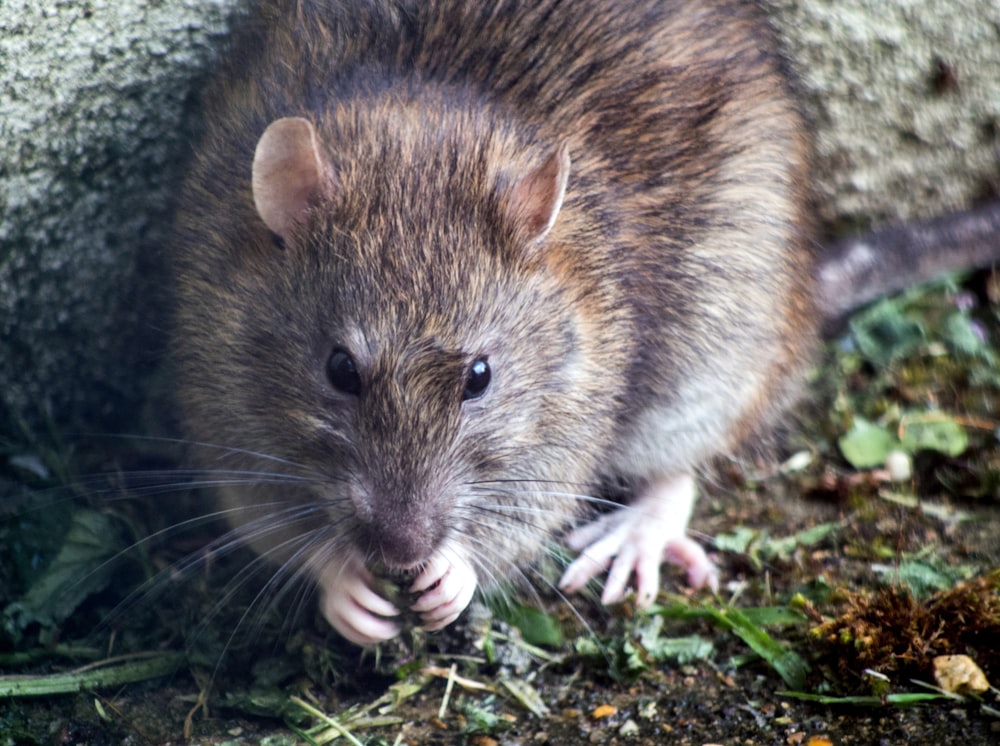
Rodent damage in an attic goes beyond the obvious mess. The most dangerous damage is usually to wiring. Rodents, especially rats and squirrels, chew on electrical cables. I have seen attics where the insulation on the wires was stripped bare, exposing live copper. That is a fire hazard. If you find chewed wires, you need an electrician to inspect and repair them before you close everything up.
Insulation damage is also common. Animals flatten it, soil it with urine and droppings, and sometimes move it around to build nests. Contaminated insulation should be removed and replaced, not just covered up. The urine and droppings can carry diseases like hantavirus, so wear gloves and a mask if you are doing this yourself. Professional cleanup crews have HEPA vacuums and disinfectants that make the job safer.
Structural damage can include chewed wood, damaged vapor barriers, and compromised soffits. I once worked on a house where a family of raccoons had torn a hole through the soffit large enough to fit a basketball through. That is not a simple sealant job. That requires carpentry. The point is that attic rodent removal is not just about the animal. It is about restoring the attic to a clean, safe, sealed condition.
Preventing Future Infestations
After you have removed the animals, sealed the holes, and repaired the damage, you want to make sure it stays that way. The best prevention is regular inspection. Twice a year, walk around your house and look for new gaps. Check the roofline, the eaves, the vents, and the foundation. Trim tree branches that hang over the roof, because squirrels and raccoons use them as highways. Keep garbage cans sealed and away from the house.
I also recommend installing metal flashing or mesh over vulnerable areas like attic vents and gable vents. This is a passive form of rodent exclusion that requires no maintenance once it is in place. It is cheap compared to the cost of another infestation.
One thing I should mention is that prevention is not about making your house a fortress. It is about eliminating the easy opportunities. A well-maintained house with no gaps, no overhanging branches, and no food sources is not going to attract rodents. They will go to the neighbor's house instead.
When to Call a Professional
Some aspects of attic rodent removal are doable for a handy homeowner. Setting a few snap traps for mice or sealing a small gap is not rocket science. But if you are dealing with a large infestation, multiple species, or significant structural damage, it is smart to call someone who does this full time. Professionals have the experience to find hidden entry points, the tools to handle live animals safely, and the knowledge of local regulations about trapping and relocation. In Cleveland TN, companies like Hiwassee Pest Control specialize in this exact work, from trapping to entry point identification to structural repairs. They know the local wildlife patterns and what works in this climate.
The cost of a professional job is usually less than the cost of repairing the damage from a reinfestation. I have seen people try to save money by doing a half job, only to call me back six months later with a worse problem. Do it right the first time.
Final Thoughts
Attic rodent removal is not fun, but it is manageable if you approach it methodically. Identify the animal, remove it with the right trap, seal every gap you can find, and repair the damage. The goal is not just to get the animal out. The goal is to make sure no animal ever wants to come back. That is the difference between a quick fix and a lasting solution.
❧